
 EN
EN
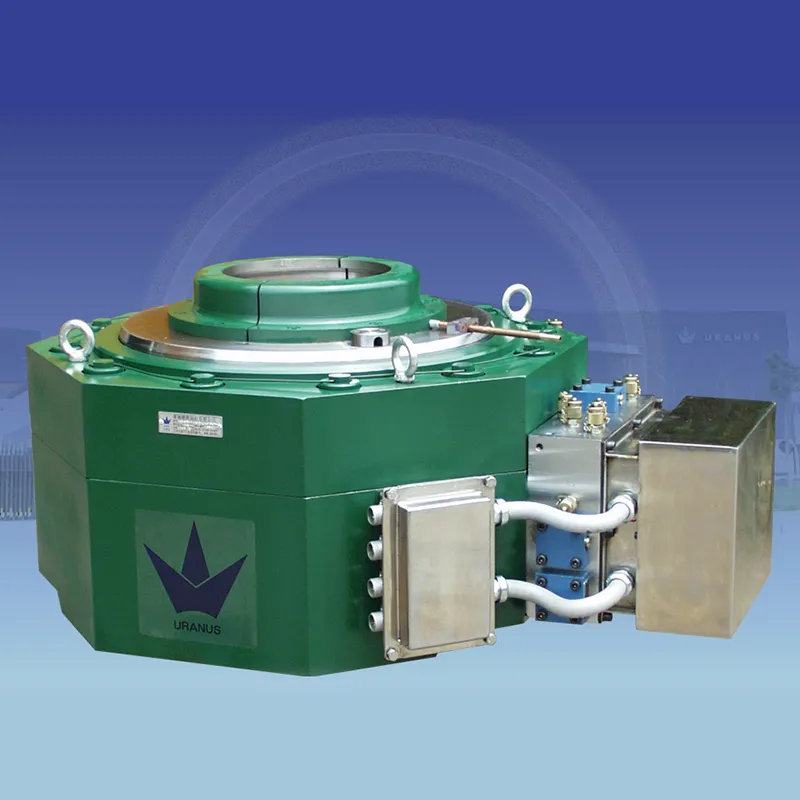
When multiple independent hydraulic cylinders lift a working platform together, the platform will easily tilt and shift if the load is not evenly placed. This problem comes from the basic law of hydraulics: hydraulic fluid always flows toward the cylinder with the lowest load resistance.
Lightly loaded cylinders extend rapidly, while heavily stressed lifting corners move slowly. The uneven stroke creates sharp structural stress on the platform frame. According to research published by the Fluid Power Research Group in 2023, this uneven load leads to 23% of all breakdowns on heavy lifting machinery.Many factories install closed-loop control systems with sensors to correct the tilt. However, these electronic devices bring signal delay, extra cost and more potential failure points. For a long time, stable multi-point horizontal lifting has remained a tough engineering problem.
Pure Mechanical Synchronization: Equal Displacement Rather Than Equal Flow
The synchronous distributor cylinder solves this problem fundamentally with pressure-compensated flow division. Inside the integrated valve block, precision positive-displacement components are connected by a shared shaft.
This structure ensures the same oil volume is delivered to every outlet port per rotation, no matter how much pressure differs between cylinders. If one lifting point meets heavy resistance, the whole system slows down to match this cylinder’s speed.This rigid mechanical lock prevents empty cylinders from running ahead. Without electronic sensors or control programs, all lifting points move upward and downward synchronously, realizing accurate horizontal leveling for the entire platform.
Simplify Equipment Structure and Cut Down Electronic Faults
Traditional multi-point leveling systems rely on proportional valves, position transmitters and PLC controllers. A large number of electronic parts bring complicated wiring and frequent maintenance problems. Dust, vibration and damp conditions on construction sites often cause sensor drift and signal failure.
The integrated synchronous distributor cylinder builds the flow divider directly into the cylinder body. It relies fully on mechanical action instead of electronic feedback. After removing control panels and sensors, the whole system has far fewer failure points. Even in harsh outdoor environments, it still keeps leveling accuracy within ±1 mm. The compact structure also saves installation space on the platform deck.
Master-and-Slave Hybrid Design for Higher Stability Under Eccentric Loads
For large high-load hydraulic platforms, the hybrid configuration of master distributor cylinder plus mechanically locked slave cylinders works best.The master unit evenly distributes hydraulic oil to each lifting branch, while tie rods and gear structures lock the movement of slave cylinders. The dual synchronization effectively prevents torsion and lateral shaking when the platform bears partial edge loads.
The mechanical linkage also acts as a safety protection. If a single oil pipe loses pressure, the locked cylinders stay in position and avoid sudden tipping. Field data from equipment rental companies shows this hybrid system maintains leveling error within 0.5 mm even under 120% overload, which outperforms most sensor-controlled systems. The compact integrated structure shortens oil pipelines and improves the whole machine’s mobility.
Sensorless Mechanical Synchronization: Performance and Limitations
Without position sensors, distributor cylinders realize multi-point leveling through pure flow dividing and mechanical locking. Independent tests in 2023 prove that the system keeps synchronous stroke steadily when load imbalance stays within 15% of the rated capacity.
It can respond quickly to pressure changes and run stably in dusty, vibrating and wet construction sites. Still, this mechanical solution has certain limits. Long-term operation will produce small cumulative drift caused by seal aging, oil viscosity changes and uneven friction. Continuous cyclic work may lead to 2–3 mm drift per hour under extreme conditions. Such tiny deviation is acceptable for most construction lifting work.
On-site Practical Value: High Stability Without Frequent Recalibration
A 2024 survey covering 60 aerial platform operators shows that on-site crews value stability and zero recalibration more than high-end intelligent functions. The Hydraulic Safety Council pointed out that 85% of unplanned downtime of traditional leveling platforms is caused by sensor failure.
Synchronous distributor cylinder systems perfectly meet site requirements. The mechanical structure completes four outrigger lowering at the same time, cutting setup time by 40% compared with sequential electronic control. It can keep sub-millimeter flatness for screed construction tasks. Since the system needs no software calibration, it resists impact, extreme weather and voltage fluctuation, greatly improving daily operating efficiency and reducing maintenance shutdowns.
FAQ
What are synchronous distributor cylinders?
Synchronous distributor cylinders are hydraulic components that guarantee equal oil displacement through mechanical structures. They achieve multi-point synchronous lifting regardless of pressure differences between cylinders.
Why do traditional multi-cylinder platforms tilt easily?
Hydraulic oil preferentially flows to low-resistance cylinders, leading to inconsistent stroke speed. Uneven load creates structural stress and dangerous platform drift.
What benefits does mechanical synchronization bring?
It cancels out sensors and electronic control loops, lowers failure risks, and maintains consistent lifting accuracy in harsh working conditions.
What advantages does the master-slave hybrid system have?
Mechanically locked slave cylinders resist torsion and eccentric load deformation. The linkage structure also serves as anti-fall safety protection with higher leveling precision under overload.
Can sensorless distributor cylinders work on construction sites?
Yes. Free of electronic parts, they are anti-dust, anti-vibration and waterproof. They need no repeated calibration and run reliably for long periods.
Table of Contents
- Pure Mechanical Synchronization: Equal Displacement Rather Than Equal Flow
- Simplify Equipment Structure and Cut Down Electronic Faults
- Master-and-Slave Hybrid Design for Higher Stability Under Eccentric Loads
- Sensorless Mechanical Synchronization: Performance and Limitations
- On-site Practical Value: High Stability Without Frequent Recalibration
- FAQ