
 EN
EN
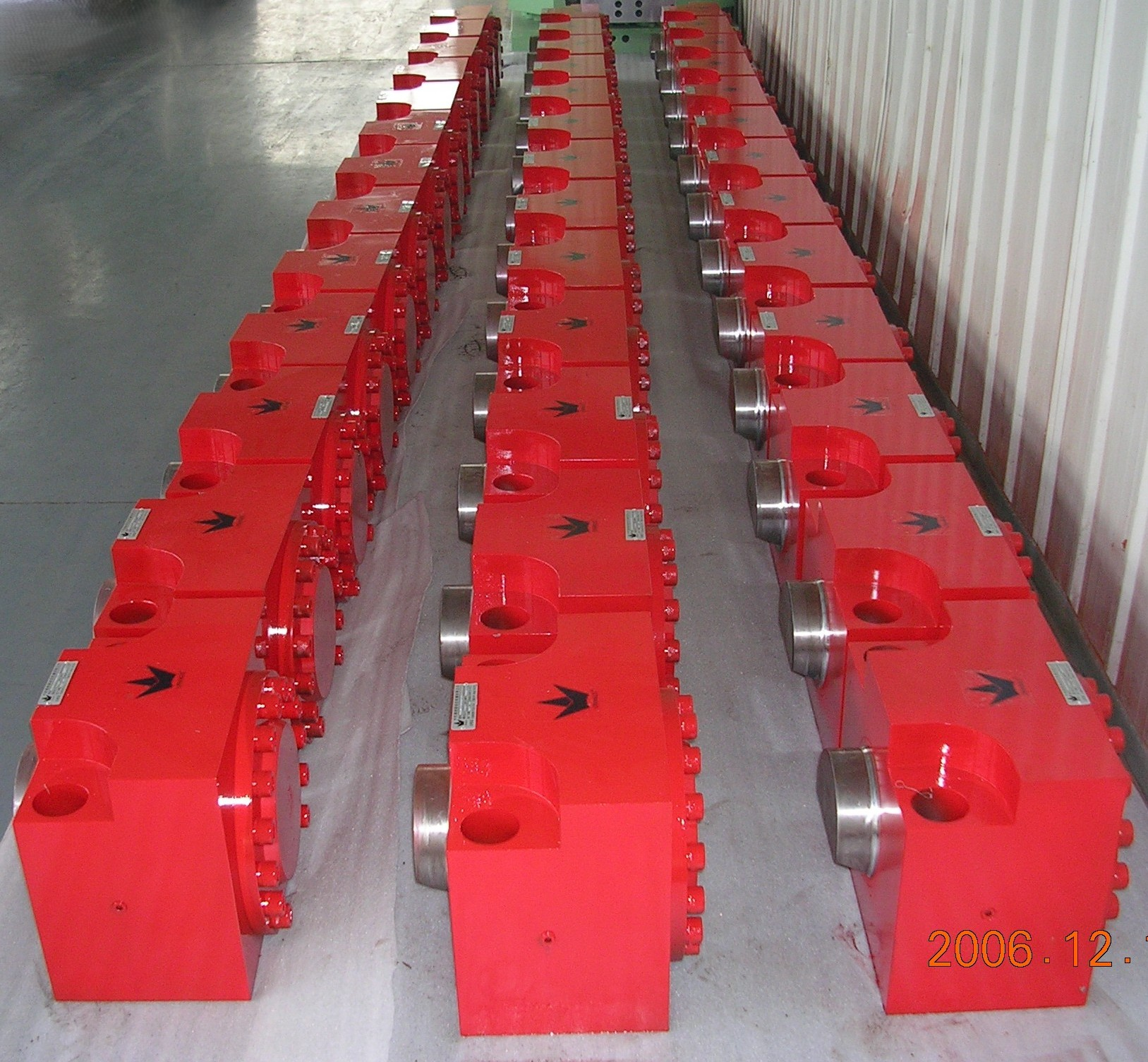
The cornerstone of long-term reliability in custom hydraulic cylinders is the hydrostatic bearing. By actively maintaining a pressurized oil film between moving surfaces, these bearings generate a stable, load-bearing fluid layer that fully separates metal components.
Performance Impact: This design eliminates adhesive wear and surface fatigue, which are the primary failure modes in conventional boundary-lubricated bearings.
Efficiency: Friction coefficients are reduced by 70–90%, significantly lowering heat generation during high-frequency cycles (5 Hz).
Design Strategies for High-Frequency Reliability To ensure consistent performance in 24/7 automation or aerospace test rigs, we employ two primary engineering strategies:
Seal Architecture Optimization: We utilize multi-zone lip seals that distribute loading evenly, reducing localized stress by 42%. When paired with dual-stage wipers, these systems extend seal life by 3.8× in particulate-rich environments.
Guide Element Engineering: Composite bushings infused with PTFE and carbon fiber minimize hysteresis losses during rapid reversals, reducing heat generation by 31% at high frequencies.
Thermal Management: A Multi-Path Approach Effective thermal control is vital to prevent seal hardening and viscosity drift. We utilize an integrated cooling strategy:
| Pathway | Mechanism | Impact on Temp |
| Rod Conduction | Passive heat transfer via hardened rod | ~15°C Reduction |
| Housing Fins | Convective dissipation | ~30°C Reduction |
| Recirculating Oil | Active cooling / Heat exchanger | ~40°C Reduction |
Material Selection: The Science of Longevity Reliability hinges on matching material systems to specific operational stressors.
Seal Material Choice: HNBR is selected for its superior resilience against micro-dieseling and cold-weather flexibility, whereas FKM is preferred for thermal endurance above 200°C.
Component Engineering: From induction-hardened piston rods for abrasion resistance to nodular iron pistons for reduced inertia, every material choice is a calibrated response to application-specific fatigue and pressure demands.