
 EN
EN
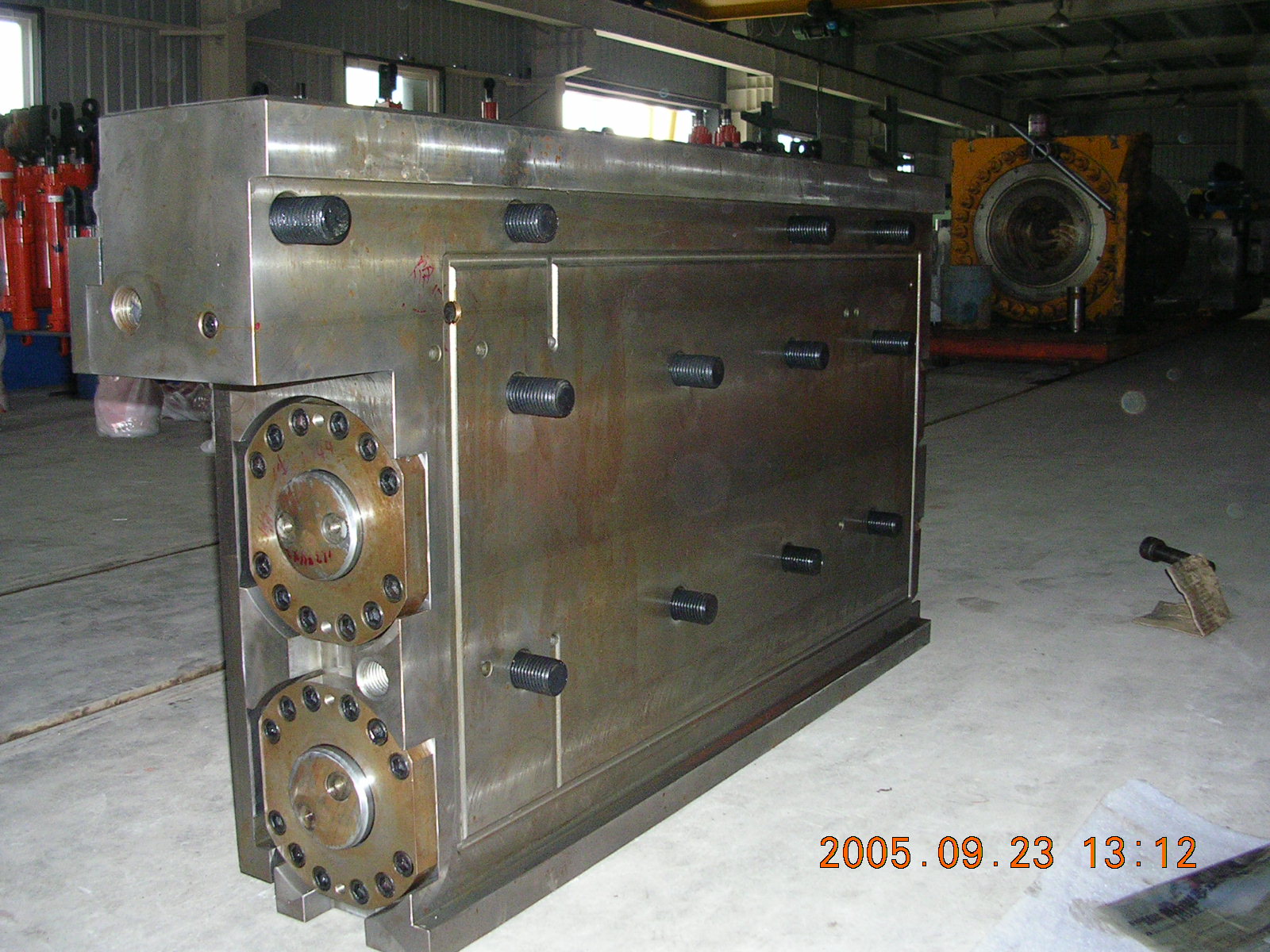
Understanding Hydraulic Manifolds: Function and Core Components
Hydraulic Manifold Working Principle: Fluid Distribution and Control
In fluid powered systems, hydraulic manifolds act as the main control center, sending pressurized oil exactly where it needs to go to those valves, cylinders and actuators throughout the system. When all these flow paths get consolidated into one solid block, there's no need for all that complicated external piping anymore. Plus, this setup keeps things running smoothly with better control over how fluids move around, what pressures they experience, and their overall speed. According to some research from Fluid Power Journal back in 2023, this kind of integration actually cuts down on pressure loss by about 30 percent when compared to old fashioned tubing setups. For anyone working on space efficient hydraulic systems that need maximum performance, manifolds really do become pretty much indispensable components these days.
Key Components Within a Hydraulic Manifold: Valves, Connectors, and Internal Passages
The efficiency of a hydraulic manifold relies on three core components:
- Directional valves: Control actuator movement by regulating flow paths
- High-pressure connectors: Provide leak-free interfaces between system elements
- Machined internal passages: Replace external tubing with optimized, precision-drilled channels
These elements work together to minimize space requirements and maintain precise flow control. For instance, internal passages machined to 5–7 µm surface precision reduce turbulence and energy losses in high-flow applications.
Integration of Directional and Flow Control Valves in Manifold Blocks
New manifold designs now incorporate directional and flow control valves right inside the main block itself, which means pressure management happens all in one place without needing those extra external parts. The benefit? Fewer places where leaks could happen. Industrial systems see around a 60 to 80 percent reduction in possible leak spots, plus maintenance becomes much easier overall. Looking at some recent research from fluid dynamics folks last year, they found something interesting too. When valves are placed strategically within these manifolds, operating temperatures drop between 12 and 15 degrees Celsius. That kind of cooling effect really helps components last longer before needing replacement or repair.
Design Principles for Compact Hydraulic Manifold Systems
Modern hydraulic systems require manifolds that deliver full functionality in minimal space, demanding a careful balance between size reduction and performance. Undersized manifolds face an average 22% increase in pressure loss (Fluid Power Engineering Quarterly, 2023), prompting innovation in component integration, flow optimization, and structural integrity.
Balancing Size and Performance in Compact Hydraulic System Design
Reducing manifold dimensions by 30% typically increases fluid velocity by 112%, raising the risk of turbulence and efficiency loss. Advanced designs counteract this using multi-stage pressure compensation channels, maintaining flow rates within 5% of standard systems while achieving 40% space savings (Parker Hannifin Case Study, 2023).
Optimizing Oil Circuit Layout to Minimize Pressure Loss
| Design Approach | Pressure Loss Reduction |
|---|---|
| Radial port configuration | 18–22% |
| Tapered channel transitions | 12–15% |
| Streamlined directional changes | 9–11% |
CFD-optimized layouts achieve up to 35% lower pressure drops than conventional designs by eliminating abrupt flow changes and positioning ports strategically.
Strategic Passage Routing for Enhanced Efficiency in Integrated Valve Systems
Additive manufacturing enables complex internal geometries that reduce turbulent flow by 60% in compact manifolds. Curved flow paths with 0.8mm wall tolerances maintain 350 bar pressure ratings while reducing weight by 28% compared to milled aluminum blocks.
Performance Trade-Offs in Ultra-Compact Hydraulic Manifold Design
Miniaturization introduces challenges such as 18% slower valve response times in sub-100mm³ manifolds and the need for specialized service tools. However, these designs enable 42% smaller machine footprints in mobile equipment, driving adoption despite higher manufacturing complexity.
Precision Manufacturing of Hydraulic Manifold Internal Passages
Drilling and machining challenges in high-pressure manifold blocks
Designing internal fluid paths demands extremely tight tolerances, typically below ±0.005 inches or about 0.127 millimeters, all while maintaining pressures exceeding 5,000 pounds per square inch. Multi-axis CNC machines can handle pretty complicated setups, though they run into problems when dealing with intersecting bores. Those sharp internal corners become real trouble spots where turbulence builds up, knocking down system efficiency somewhere around 12 to 15 percent according to research published in the International Journal of Hydraulic Systems last year. Recent findings from a 2024 investigation showed something interesting: replacing those right angle turns with smooth curves cuts pressure loss by nearly 40%. This kind of design change makes a huge difference in performance for hydraulic systems across various industries.
Ensuring manufacturability in complex manifold configurations
Modern CAD/CAM setups let engineers check if parts can actually be made before wasting time on production runs. These simulation programs spot problem areas where stress builds up around tightly packed valves, so designers can reinforce those spots locally instead of making everything bigger. We're seeing more companies adopt modular design approaches these days. They mix traditional machining techniques for standard ports with 3D printing inside components to get better fluid flow characteristics. This combo cuts down on prototype testing by about two thirds according to industry reports, all while meeting those important ISO 4401 requirements manufacturers have to follow.
Sealing Integrity and Connection Reliability in Valve Block Assemblies
Maintaining Sealing Integrity Under Dynamic Pressure Conditions
The effectiveness of seals really comes down to how well surfaces are machined and what kind of sealing tech gets applied. Hydraulic manifolds face some serious challenges, needing to handle pressure swings over 5,000 pounds per square inch while operating in temperatures ranging from bone-chilling minus 40 degrees Fahrenheit all the way up to scorching 300 degrees F. Industry experts have found that even tiny surface flaws measuring between three and five microns can lead to those pesky microleaks when systems go through repeated stress cycles. That's why smart manufacturers invest heavily in surface treatments and specialized materials to keep their equipment running reliably without unexpected breakdowns.
- Multi-layer seal stacks combining elastomers and metal washers
- Stress-optimized gland designs for uniform compression
- Real-time monitoring systems to detect early seal degradation
Critical factors include proper surface finish (Ra 0.8–1.6 µm) and controlled assembly torque (±10% of specification), which help prevent seal extrusion in high-cycle operations.
Preventing Leaks and System Failure Through Reliable Connection Design
Connection failures account for 38% of hydraulic system breakdowns (fluid power industry data, 2024). Advanced flange joint designs incorporate:
- Anti-vibration tooth patterns to resist loosening under shock loads
- Conical seat geometries ensuring metal-to-metal contact prior to seal compression
- Redundant sealing channels for safety-critical applications
Field studies confirm that correct alignment during installation reduces connection-related leaks by 72%. Finite element analysis is increasingly used to optimize port spacing and wall thickness, achieving 15–20% higher burst pressure ratings in compact manifolds without sacrificing serviceability.
Performance Advantages and Industry Applications of Integrated Hydraulic Manifolds
Compactness and Integration Benefits in Mobile and Construction Equipment
When it comes to hydraulic systems, integrated manifolds bring together all those valves, connectors, and internal passages into one solid block. This design cuts down on external tubing by around 70% for mobile equipment setups. For companies building things like excavators and wheel loaders, this means they can fit everything into smaller spaces without sacrificing performance. According to some recent industry findings from 2025, these compact manifold designs actually boost energy efficiency somewhere between 12 and 15 percent in construction machines. The reason? Less turbulence happens inside the system, plus there's not as much heat being generated during operation. These kinds of improvements matter a lot when trying to optimize fuel consumption and reduce maintenance costs over time.
Case Study: Improving Efficiency in Construction Machinery with Integrated Valve Systems
One of the big names in construction machinery swapped out those old school valve stacks for specially designed hydraulic manifolds throughout their entire excavator range last year. According to research published in the Journal of Fluid Power Engineering back in 2025, this change cut down on hydraulic oil usage by almost 18%, all while keeping those machines running at full pressure levels of 350 bars. What really stands out though is that maintenance checks now come every 300 hours longer than before because there are simply fewer places where leaks can happen. For companies working in tough conditions where downtime costs money, these kinds of improvements make a huge difference over time. The switch not only makes the machines perform better but also saves operators real cash when it comes to long term maintenance expenses.
Growing Trend Toward Modular Hydraulic Manifolds in Industrial Automation
More and more manufacturers are turning to ISO standardized modular manifolds when they need to upgrade their automated production lines. The main advantage? These systems let factories quickly adjust press machines and robotic arms thanks to those ready made cartridge valves. We're talking about cutting down commissioning time by around 40% compared with building everything from scratch. This move makes perfect sense for Industry 4.0 requirements where scalability and adaptability matter most in fluid power systems. The 2025 Fluid Power Innovation Report actually points this trend out pretty clearly, showing how companies are getting serious about flexible manufacturing solutions.
FAQ
What is a hydraulic manifold?
A hydraulic manifold is a component in hydraulic systems that directs the flow of fluid to operate actuators, valves, and other components effectively. It acts as the control center for fluid distribution.
What are the benefits of using hydraulic manifolds?
Hydraulic manifolds help reduce the need for external piping, improve system control, reduce pressure loss, and decrease the likelihood of leaks, thus enhancing overall system efficiency.
How do hydraulic manifolds contribute to energy efficiency?
The integration of manifolds with directional and flow control valves into a compact block reduces turbulence and pressure drops, which increases the energy efficiency of the hydraulic system by reducing unnecessary energy expenditure.
Why are compact hydraulic manifolds important in mobile equipment?
Compact hydraulic manifolds allow for reduced size and weight in mobile equipment while maintaining performance. This results in improved energy efficiency and cost savings in both operational and maintenance aspects.
What challenges are faced in manufacturing hydraulic manifolds?
Challenges include achieving precise machining and drilling tolerances to handle high pressures, managing turbulence with efficient internal design, and ensuring connection reliability to prevent leaks and failures.
Table of Contents
- Understanding Hydraulic Manifolds: Function and Core Components
- Design Principles for Compact Hydraulic Manifold Systems
- Precision Manufacturing of Hydraulic Manifold Internal Passages
- Sealing Integrity and Connection Reliability in Valve Block Assemblies
- Performance Advantages and Industry Applications of Integrated Hydraulic Manifolds
- FAQ