
 EN
EN
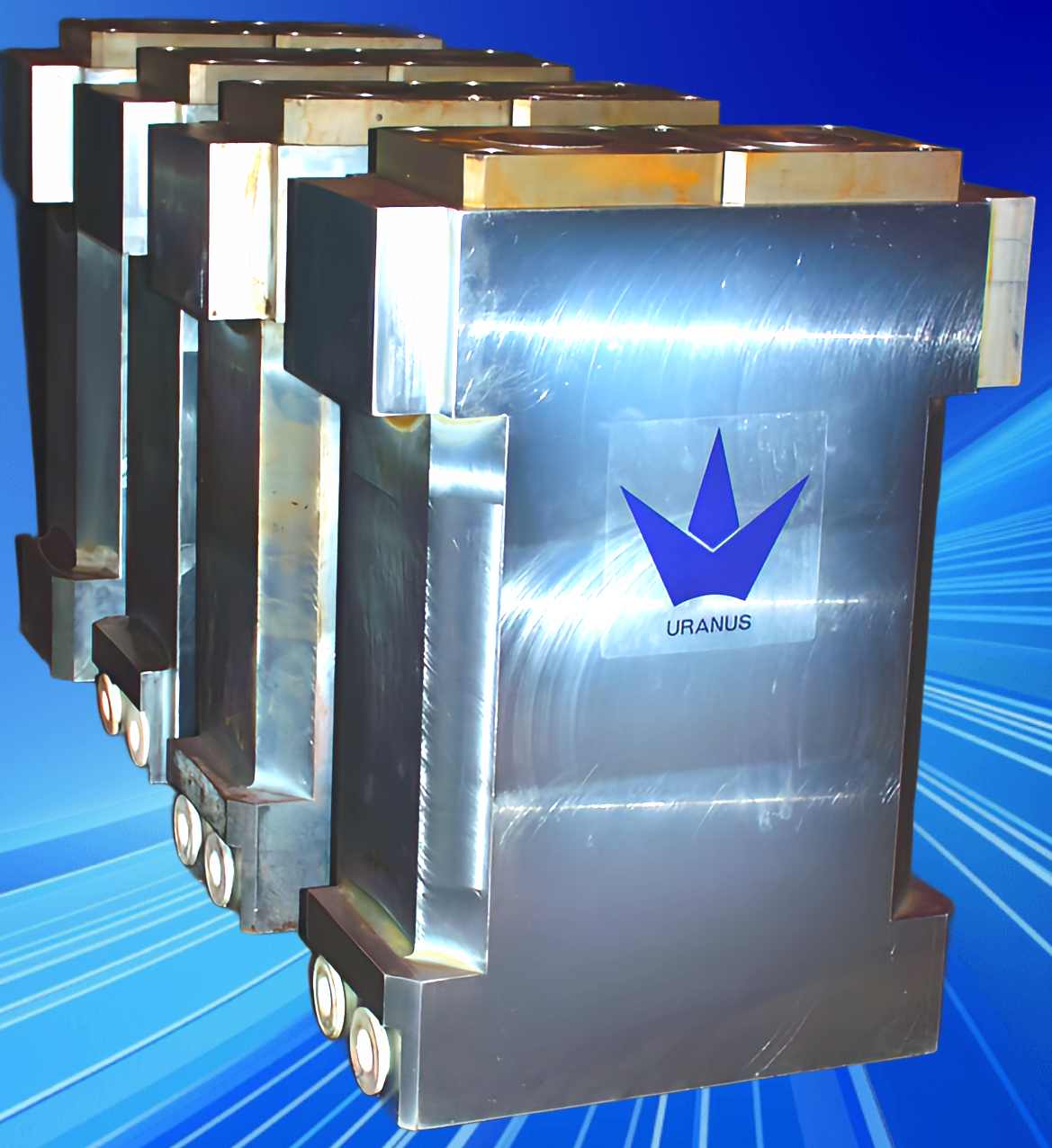
What Is a Synchronous Distributor Cylinder and Why Does It Enable Precision Volume Control in Hydraulic Systems
These cylinders work with hydraulic systems to ensure that the correct volume of hydraulic fluid is provided to each actuator. This is done with displacement-based flow distribution. What differentiates synchronous distributor cylinders from flow dividers with pressure compensation is that these cylinders can use piston chambers to divide one flow into multiple equal flows. Each chamber taps into the flow output and displaces the output equally per cycle, meaning every actuator connected to the cylinder receives the same volume of hydraulic fluid, regardless of the load that each is working against. This negates the need for electronic control in many applications. Synchronous distributor cylinders allow precise control of position, which is a requirement in manufacturing. If the position is off by even 1%, it can lead to failure of the system being tested or manufactured.
Core Principle: Flow distribution based on displacement ensures equal volume distribution across two to eight cylinders.
The core mechanism consists of a series of pistons linked to a common shaft. When hydraulic fluid enters the inlet chamber, the shaft drives all of the distributor pistons. Each piston displaces a predetermined volume to its corresponding outlet port. Once the pistons are linked and are all of the same dimension, then for each rotation (or stroke), each outlet is supplied the same volume of fluid. This design automatically accounts for variations in downstream pressures. If any one of the cylinders has a high pressure, the distributor piston generates the additional pressure, and then the fluid moves to the cylinder, but the volume remains the same. The result is that the actuators in each cylinder will move in sync to within ±0.5% volume in well-balanced systems. This method is effective over a wide range of flow rates, up to 10-150 liters per minute, and up to eight cylinders without significant cumulative error. This type of distributor is found in applications such as heavy lifting, synchronized jacking, and metal forming where precise control and repeatable positioning is of critical importance.
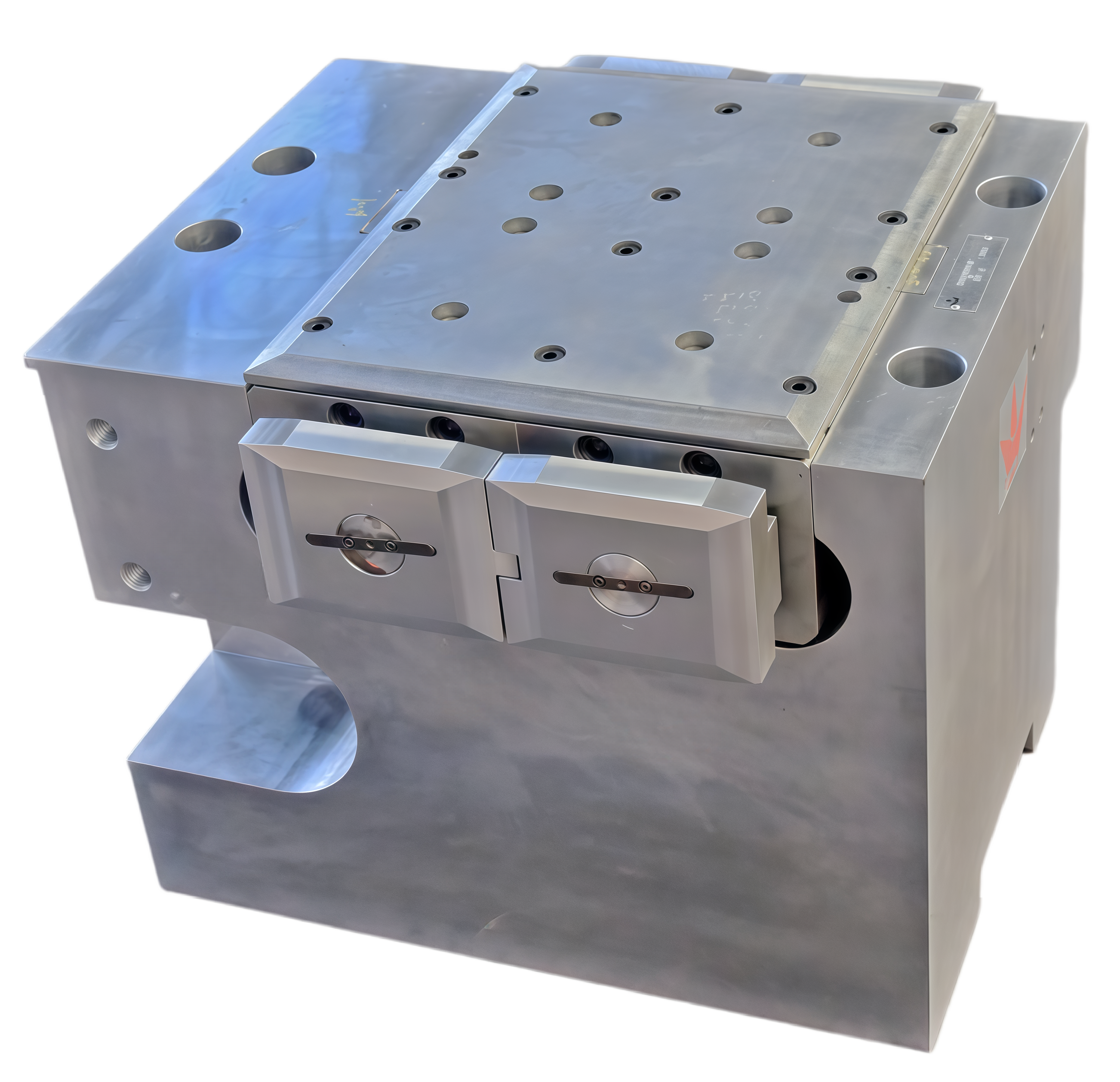
Why Pressure-Compensated Flow Dividers Fail Under Load Imbalance
Flow dividers route flow by shutting off and controlling the opening size of flow ports depending on the downstream pressure. Under balanced load conditions, flow dividers generally function well. In situations of load imbalance, such as in an off-center press application, the divider will close the port to the low pressure cylinder and open the port to the high pressure cylinder. This response is slow and non-linear, resulting in the pistons receiving highly uneven flow. This error becomes proportionately larger as the number of cylinders increases, and may exceed 5% in four-cylinder systems under 30% load imbalance. Furthermore, pressure compensated dividers are affected by viscosity changes and contamination in the hydraulic oil, which further reduces accuracy. In contrast, the synchronous distributor cylinder compensates the internal ratio of volumes. This means that even a 50% imbalance in loads will not influence the volume output of the system. For accurate and repeatable synchronization over many hydraulic systems, this technology is the only passive method to achieve sub 1% error in the absence of active electronic correction.
Achieving ±0.5% Volume Accuracy Across 2-8 Cylinders: Installation Guidelines and Performance Testing
Method: Stringent standards for symmetry in piping, air purging, and cylinder alignment for parasitic volume error control
Achieving the desired volume accuracy of ±0.5% requires that each part of the hydraulic circuit is accounted for. The first step is symmetry in the piping. The lengths and diameters of piping and the bending of the piping between the distributor cylinder and each of the actuators must be the same. If there is a 2% difference in the lengths, volume errors of 1% will be experienced. Following symmetry, all air must be evacuated from the lines and cylinders. Trapped lines of air will become compressed under the load of the cylinder and will cause inconsistent displacements and phantom volume losses. The final step in this method is alignment of all cylinder rods and pistons to the mounting fixtures to within 0.1 mm for each meter of stroke. When the rods and pistons are not aligned, side loads will distort the seals and alter the effective displacement. The three steps: symmetry, purging, and alignment, will remove the mechanical parasitics of volumetric fidelity.
Validation Methodology: ISO 10770-1 compliant testing and field results exhibiting error margins of ±0.3% in 4-cylinder press applications
As part of the performance validation, the ISO 10770-1 standard was strictly adhered to by measuring the actual volume supplied to each of the cylinders over 10 consecutive strokes at the maximum rated pressure and flow. Systems were accepted if they met the target value of volume ±0.5%. In one field trial of a four-cylinder press, circuits executed to the letter of the specification achieved a mean error of ±0.3%, which is half the allowable tolerance. This is a direct result of having executed the installation with discipline. Most of the same circuits without such an installation discipline showed a mean error of ±1.2% due to a load imbalance of the press. The conclusion to be drawn was that where a system contains high performance and high precision components, such components will not perform to the intended level unless they are installed with the same level of precision.
FAQ
What is a synchronous distributor cylinder?
A synchronous distributor cylinder is a hydraulic cylinder that delivers the same volume of fluid to multiple actuators in a synchronized manner, and can accommodate pressure differences without using electronics.
How does a synchronous distributor ensure precision?
A synchronous distributor uses a system of mechanical linking of pistons for a governed flow. Such a system ensures that the same volume is delivered to each of the distributor's outlet regardless of downstream pressures.
What are the advantages over pressure-compensated flow dividers?
Synchronous distributor cylinders ensure a volumetric error of sub-1% and are entirely immune to load imbalances, oil viscosity, and electronic corrections in comparison to pressure-compensated dividers.
What are the best practices for installation?
To achieve the maximum accuracy using a synchronous distributor, piping symmetry needs to be applied, the circuit needs to be purged of air, and the cylinders must be aligned to eliminate mechanical errors.
How is accuracy determined?
Testing that conforms to ISO 10770-1 assesses the volume of fluid delivered to each cylinder to determine if it is within the target with an error margin of ± 0.5%.